
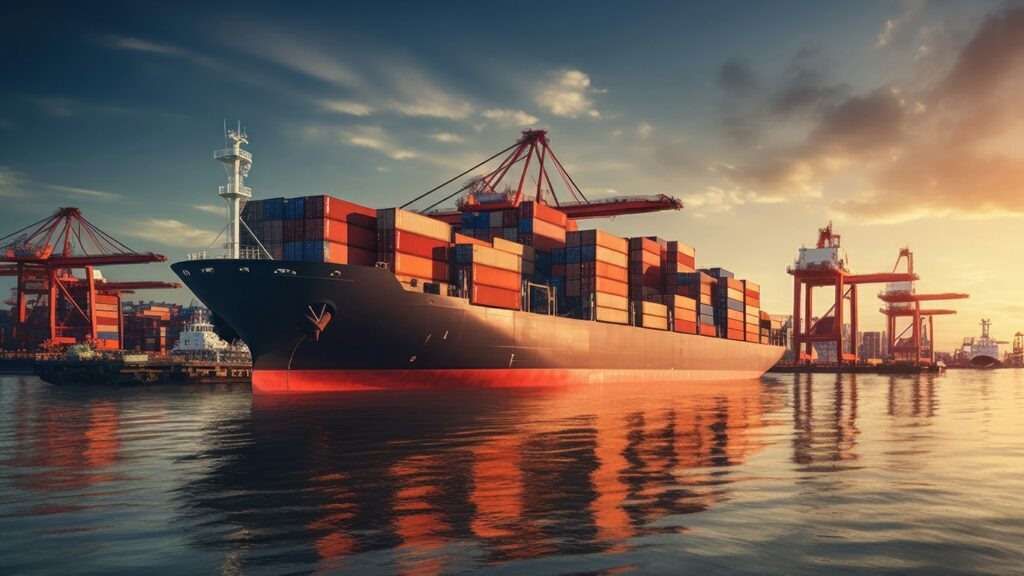
Overcoming Challenges in International Freight Forwarding
International freight forwarding is the backbone of global trade — but it comes with complex challenges. From customs regulations to supply chain disruptions, freight forwarders must constantly adapt to ensure smooth and reliable delivery. Success in this field depends on strategy, technology, and strong global partnerships.
1. Complex Customs Regulations
Each country has its own rules for importing and exporting goods. Missing documents or small errors can lead to long delays and extra costs.
The solution lies in expert customs knowledge and accurate documentation. Working with experienced forwarders who understand global regulations helps shipments clear borders smoothly and efficiently.
2. Supply Chain Disruptions
Events like pandemics, natural disasters, or political conflicts can disrupt trade routes and delay shipments.
To overcome this, freight companies are building flexible and resilient supply chains — using alternative routes, multiple transport modes, and reliable backup partners.
3. Rising Transportation Costs
Fuel price fluctuations and capacity shortages can increase shipping costs.
Smart planning, shipment consolidation, and strong relationships with carriers help companies control expenses while maintaining quality service.
4. Visibility and Tracking
Lack of visibility creates uncertainty for clients.
Modern forwarders use real-time tracking systems and digital platforms that give customers full transparency — from pickup to delivery. This builds trust and improves decision-making across the supply chain.
5. Sustainability Pressures
The logistics industry faces growing pressure to reduce its environmental impact.
Forwarders are adopting eco-friendly transport solutions, optimizing routes, and promoting green packaging to meet both regulatory and customer expectations.
6. Communication and Coordination
International freight forwarding involves many stakeholders — carriers, agents, customs, and clients.
Clear, proactive communication is essential to avoid misunderstandings and delays. Professional logistics teams ensure every step of the process is well-coordinated.
Conclusion
Overcoming challenges in international freight forwarding requires innovation, experience, and adaptability.
By combining technology, sustainability, and reliable partnerships, logistics companies can deliver not only goods — but also confidence, efficiency, and long-term customer trust.