
Logistics Strategies for a Greener Freight Transport Future
As global trade continues to grow, so does the responsibility to move goods sustainably. The logistics and freight transport industry plays a key role in reducing environmental impact while keeping supply chains efficient. Building a greener future requires innovation, responsibility, and smart strategy.
1. Transition to Eco-Friendly Vehicles
The shift toward electric and hybrid trucks, as well as alternative fuels like biofuel and hydrogen, is transforming freight transport.
These technologies significantly reduce carbon emissions, lower noise pollution, and support cleaner cities. Investing in modern fleets is a key step toward sustainable logistics.
2. Route Optimization and Smart Planning
Using AI and GPS-based route optimization, logistics companies can minimize unnecessary mileage and fuel consumption.
Efficient route planning not only saves money but also reduces emissions — making operations greener and faster.
3. Modal Shift and Intermodal Transport
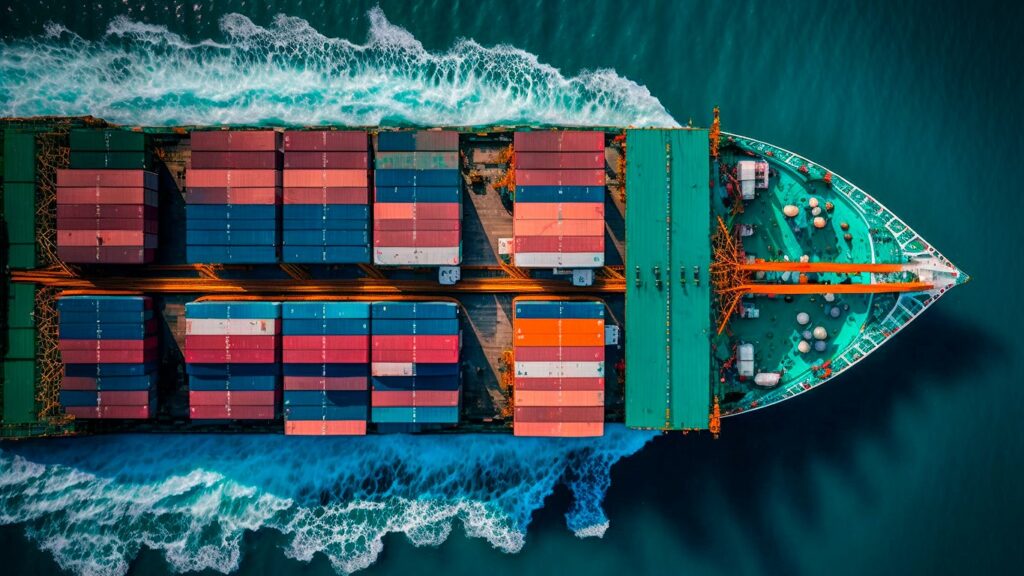
Combining different modes of transport — rail, sea, air, and road — helps balance cost, time, and environmental impact.
For example, shifting part of long-distance transport from road to rail or sea can cut emissions dramatically while maintaining delivery efficiency.
4. Sustainable Warehousing
Green logistics doesn’t stop on the road.
Warehouses are now adopting energy-efficient systems, solar power, LED lighting, and smart inventory management to reduce energy use and waste.
Recycling programs and eco-friendly packaging also contribute to a cleaner supply chain.
5. Collaboration and Digitalization
Digital platforms and data sharing allow companies to consolidate shipments and reduce empty miles.
By working together, shippers and carriers can make better use of capacity and resources — reducing both cost and carbon footprint.
6. Corporate Responsibility and Green Culture
Sustainability must become part of company culture.
Training employees, communicating green goals to clients, and reporting environmental performance build credibility and long-term trust.
Conclusion
A greener future in freight transport is not just a trend — it’s a strategic necessity.
By adopting sustainable technologies, smarter planning, and eco-conscious practices, logistics companies can lead the way toward a cleaner, more efficient, and more responsible global supply chain.