
Navigating International Shipping
In today’s global economy, international shipping plays a vital role in connecting businesses and consumers around the world. Whether you’re a large company or a small business expanding overseas, understanding how international shipping works is key to success.
1. Understanding the Basics
International shipping involves moving goods between countries by air, sea, or land. Each method has its own benefits:
• Air freight is the fastest option, ideal for urgent or high-value shipments.
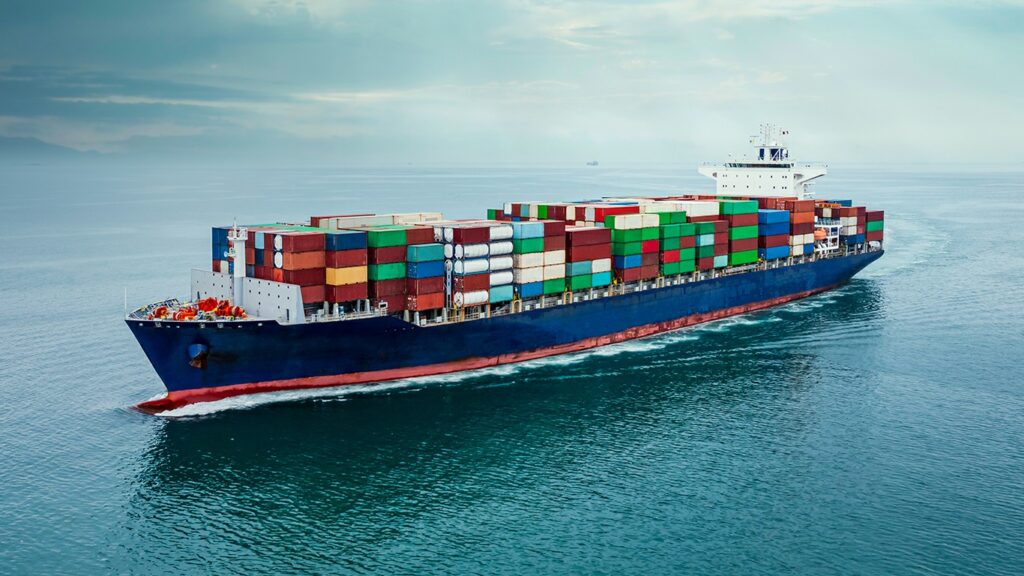
• Sea freight is more economical, perfect for large or heavy cargo.
• Land freight supports regional and cross-border deliveries efficiently.
Choosing the right mode depends on the cargo type, delivery time, and budget.
2. Documentation Matters
Smooth shipping starts with proper documentation. Key papers include:
• Commercial invoice
• Packing list
• Bill of lading or airway bill
• Certificate of origin
These documents ensure customs clearance and help avoid costly delays.
3. Customs and Regulations
Each country has its own import and export rules. Working with a trusted logistics partner can simplify the process — from customs declarations to duties and taxes. Compliance not only saves time but also builds credibility with global partners.
4. Technology and Tracking
Modern shipping relies on real-time tracking systems and digital platforms. These tools give customers visibility and control, reducing uncertainty and improving trust. Technology helps businesses plan better, manage inventory, and track performance.
5. Cost Efficiency and Sustainability
Balancing cost and efficiency is crucial. Consolidating shipments, optimizing packaging, and choosing the right routes can reduce expenses.
At the same time, eco-friendly logistics — using cleaner fuel, efficient vehicles, and recyclable materials — is becoming an industry standard.