
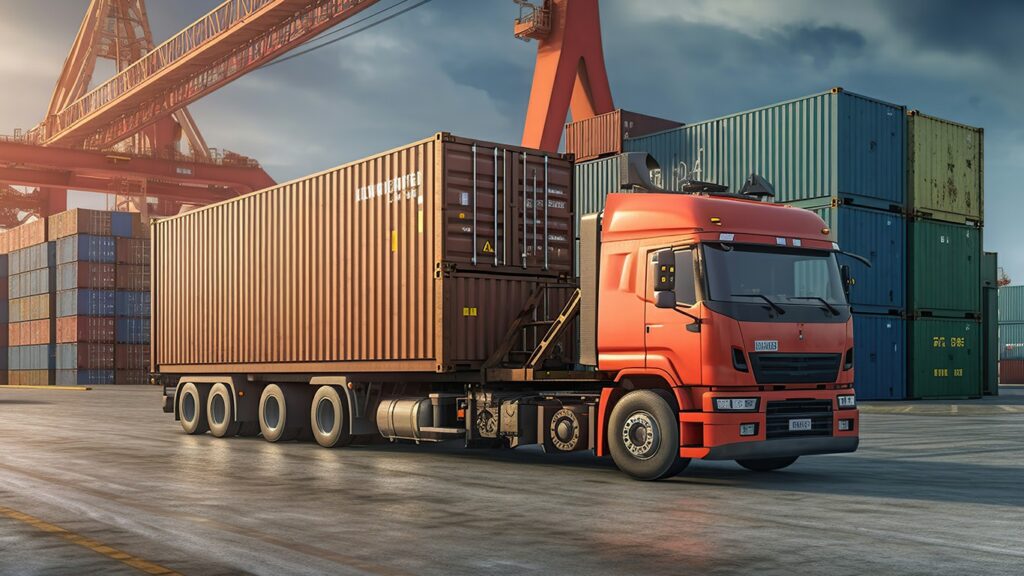
The Future of Truckload Transportation
The truckload transportation industry is changing fast. Technology, sustainability goals, and global trade trends are reshaping how goods move on the road. The future will be smarter, greener, and more connected than ever before.
1. Technology Leads the Way
Digitalization is now the main driver of progress. GPS tracking, real-time data, and AI route planning are helping carriers reduce delays, save fuel, and improve safety.
Automation is also growing. Self-driving trucks are being tested worldwide, and while full automation will take time, partial systems are already improving efficiency and reducing driver fatigue.
2. Sustainability Becomes a Priority
Environmental concerns are pushing companies to adopt eco-friendly practices. Electric and hydrogen-powered trucks are entering the market, offering lower emissions and less noise.
In the near future, green logistics will no longer be optional — it will be a key factor for business reputation and government compliance.
3. Smart Logistics Networks
The rise of digital freight platforms allows shippers and carriers to connect instantly, compare rates, and manage shipments through one system.
This improves transparency and makes logistics faster and easier for everyone — especially for global trade that depends on reliability and timing.
4. Driver Experience and Workforce Shift
Even with automation, human drivers will remain essential for years. Companies are focusing more on driver comfort, training, and safety to attract and keep skilled professionals.
At the same time, new roles in logistics technology and data management are emerging, creating more career opportunities in the industry.
5. Global Resilience and Flexibility
The pandemic showed how fragile global supply chains can be. The future of truckload transport will focus on resilience and flexibility — using technology and collaboration to react quickly to market changes and disruptions.